10 Effective Ways to Prevent Muscle Loss
Are you concerned about losing muscle mass and strength? As we age, our bodies naturally undergo changes that can lead to muscle loss. In this blog post, we will explore 10 effective ways to prevent muscle loss and maintain a strong, healthy body. From understanding the mechanisms behind muscle loss to the importance of resistance training and optimal nutrition, we will delve into practical tips and lifestyle habits that can help you preserve and even build muscle mass.
Whether you're a fitness enthusiast looking to maximize your gains or someone who wants to prevent age-related muscle decline, this article will provide valuable insights and strategies to keep your muscles strong and functional. Join us on this journey to learn how you can take proactive steps to safeguard your muscle health and vitality for years to come
Whether you're a fitness enthusiast looking to maximize your gains or someone who wants to prevent age-related muscle decline, this article will provide valuable insights and strategies to keep your muscles strong and functional. Join us on this journey to learn how you can take proactive steps to safeguard your muscle health and vitality for years to come

Understanding the Mechanisms of Muscle Loss
Muscle loss can be a concerning issue, especially as we age or when we undergo periods of inactivity. To effectively prevent muscle loss, it is crucial to delve into the mechanisms that contribute to this process. By understanding how muscle loss occurs, we can implement targeted strategies to maintain muscle mass and strength.
One key mechanism of muscle loss is disuse atrophy, which occurs when muscles are not regularly engaged in physical activity. This can lead to a decrease in muscle size and strength over time. To counteract disuse atrophy, incorporating regular exercise into your routine is essential. Strength training exercises that target major muscle groups can help stimulate muscle growth and prevent muscle loss.
Another important factor in muscle loss is the impact of aging on muscle mass. As we grow older, hormonal changes and decreased protein synthesis can contribute to muscle loss. To combat age-related muscle loss, focusing on a protein-rich diet and participating in resistance training exercises can help preserve muscle mass and strength.
Additionally, inadequate nutrition can play a significant role in muscle loss. Without sufficient protein intake, the body may break down muscle protein for energy, leading to muscle loss over time. Ensuring that your diet contains an adequate amount of protein, as well as essential vitamins and minerals, is crucial for maintaining muscle mass.
Furthermore, chronic illnesses and certain medical conditions can also accelerate muscle loss. Conditions such as sarcopenia, cancer, or diabetes can impact muscle health and lead to muscle wasting. Managing these conditions effectively through proper medical treatment and lifestyle interventions can help minimize muscle loss and maintain overall muscle health.
In conclusion, by understanding the various mechanisms that contribute to muscle loss, we can take proactive steps to prevent it. Incorporating regular exercise, focusing on a protein-rich diet, managing age-related changes, and addressing any underlying medical conditions are all crucial aspects of a comprehensive approach to maintaining muscle mass and strength. By implementing these strategies, we can effectively prevent muscle loss and support overall physical well-being
One key mechanism of muscle loss is disuse atrophy, which occurs when muscles are not regularly engaged in physical activity. This can lead to a decrease in muscle size and strength over time. To counteract disuse atrophy, incorporating regular exercise into your routine is essential. Strength training exercises that target major muscle groups can help stimulate muscle growth and prevent muscle loss.
Another important factor in muscle loss is the impact of aging on muscle mass. As we grow older, hormonal changes and decreased protein synthesis can contribute to muscle loss. To combat age-related muscle loss, focusing on a protein-rich diet and participating in resistance training exercises can help preserve muscle mass and strength.
Additionally, inadequate nutrition can play a significant role in muscle loss. Without sufficient protein intake, the body may break down muscle protein for energy, leading to muscle loss over time. Ensuring that your diet contains an adequate amount of protein, as well as essential vitamins and minerals, is crucial for maintaining muscle mass.
Furthermore, chronic illnesses and certain medical conditions can also accelerate muscle loss. Conditions such as sarcopenia, cancer, or diabetes can impact muscle health and lead to muscle wasting. Managing these conditions effectively through proper medical treatment and lifestyle interventions can help minimize muscle loss and maintain overall muscle health.
In conclusion, by understanding the various mechanisms that contribute to muscle loss, we can take proactive steps to prevent it. Incorporating regular exercise, focusing on a protein-rich diet, managing age-related changes, and addressing any underlying medical conditions are all crucial aspects of a comprehensive approach to maintaining muscle mass and strength. By implementing these strategies, we can effectively prevent muscle loss and support overall physical well-being
Importance of Resistance Training in Preventing Muscle Loss
Resistance training plays a crucial role in preventing muscle loss, also known as muscle atrophy. As we age, our muscles naturally begin to deteriorate due to various factors such as sedentary lifestyle, hormonal changes, and inadequate nutrition. Engaging in regular resistance training exercises can help counteract this process and maintain muscle mass over time.
One of the primary reasons why resistance training is effective in preventing muscle loss is that it places stress on the muscles, stimulating muscle growth and strength. When you lift weights or perform bodyweight exercises, you create tiny tears in the muscle fibers. As the muscles repair these micro-tears, they become stronger and larger, leading to muscle hypertrophy.
Moreover, resistance training helps enhance protein synthesis in the muscles, which is essential for muscle growth and repair. By consistently challenging your muscles with resistance exercises, you signal your body to prioritize muscle maintenance and growth, thereby reducing the risk of muscle loss.
Additionally, resistance training can also boost your metabolism, helping you maintain a healthy body composition. Muscle tissue is more metabolically active than fat tissue, meaning that the more muscle you have, the more calories your body burns at rest. This can be particularly beneficial for individuals looking to prevent muscle loss while managing their weight.
Incorporating a variety of resistance training exercises into your fitness routine is key to effectively preventing muscle loss. Focus on targeting different muscle groups and varying your intensity levels to keep your muscles challenged and continuously adapting. Remember to gradually progress your workouts to avoid plateaus and stimulate further muscle growth.
In conclusion, resistance training is a foundational component of any muscle loss prevention strategy. By prioritizing resistance exercises in your workout routine, you can actively preserve and build muscle mass, improve overall strength and functionality, and mitigate the age-related decline in muscle mass and strength. Make resistance training a regular part of your fitness regimen to reap the long-term benefits of a strong and healthy body
One of the primary reasons why resistance training is effective in preventing muscle loss is that it places stress on the muscles, stimulating muscle growth and strength. When you lift weights or perform bodyweight exercises, you create tiny tears in the muscle fibers. As the muscles repair these micro-tears, they become stronger and larger, leading to muscle hypertrophy.
Moreover, resistance training helps enhance protein synthesis in the muscles, which is essential for muscle growth and repair. By consistently challenging your muscles with resistance exercises, you signal your body to prioritize muscle maintenance and growth, thereby reducing the risk of muscle loss.
Additionally, resistance training can also boost your metabolism, helping you maintain a healthy body composition. Muscle tissue is more metabolically active than fat tissue, meaning that the more muscle you have, the more calories your body burns at rest. This can be particularly beneficial for individuals looking to prevent muscle loss while managing their weight.
Incorporating a variety of resistance training exercises into your fitness routine is key to effectively preventing muscle loss. Focus on targeting different muscle groups and varying your intensity levels to keep your muscles challenged and continuously adapting. Remember to gradually progress your workouts to avoid plateaus and stimulate further muscle growth.
In conclusion, resistance training is a foundational component of any muscle loss prevention strategy. By prioritizing resistance exercises in your workout routine, you can actively preserve and build muscle mass, improve overall strength and functionality, and mitigate the age-related decline in muscle mass and strength. Make resistance training a regular part of your fitness regimen to reap the long-term benefits of a strong and healthy body
Optimal Nutrition for Muscle Preservation
When it comes to preventing muscle loss, optimal nutrition plays a critical role in preserving muscle mass and strength. Proper nutrition provides the essential building blocks that your muscles need to stay strong and healthy. Here are some key nutritional strategies to help prevent muscle loss:
1. **Adequate Protein Intake**: Protein is the most important nutrient for muscle preservation. Make sure to include high-quality protein sources such as lean meats, fish, eggs, dairy, and plant-based proteins like beans and legumes in your diet.
2. **Distribute Protein Intake**: Spread your protein intake evenly throughout the day to optimize muscle protein synthesis. Aim to include protein in every meal and snack to support muscle repair and growth.
3. **Include Essential Amino Acids**: Essential amino acids are the building blocks of protein that your body cannot produce on its own. Ensure your diet includes foods that provide all nine essential amino acids to support muscle maintenance.
4. **Stay Hydrated**: Proper hydration is essential for maintaining muscle function and preventing muscle breakdown. Drink an adequate amount of water throughout the day to support muscle health.
5. **Eat a Balanced Diet**: In addition to protein, make sure your diet includes a variety of nutrients such as carbohydrates, healthy fats, vitamins, and minerals. A well-rounded diet is essential for overall muscle preservation.
6. **Prioritize Micronutrients**: Certain vitamins and minerals play a crucial role in muscle health. Include foods rich in vitamins D, C, E, and minerals like magnesium and calcium to support muscle function and reduce the risk of muscle loss.
7. **Limit Processed Foods**: Processed foods high in unhealthy fats, sugars, and additives can contribute to inflammation and muscle deterioration. Opt for whole, nutrient-dense foods to support muscle preservation.
8. **Consider Supplements**: In some cases, especially for older adults or individuals with dietary restrictions, supplements like creatine, whey protein, or branched-chain amino acids (BCAAs) may be beneficial in preserving muscle mass.
9. **Timing of Meals**: Pay attention to the timing of your meals, especially around workouts. Consuming a balanced meal or snack containing protein and carbohydrates before and after exercise can help support muscle recovery and growth.
10. **Consult a Nutrition Professional**: If you have specific concerns about muscle loss or if you're looking to optimize your nutrition for muscle preservation, consider consulting a registered dietitian or nutritionist for personalized guidance and recommendations tailored to your individual needs
1. **Adequate Protein Intake**: Protein is the most important nutrient for muscle preservation. Make sure to include high-quality protein sources such as lean meats, fish, eggs, dairy, and plant-based proteins like beans and legumes in your diet.
2. **Distribute Protein Intake**: Spread your protein intake evenly throughout the day to optimize muscle protein synthesis. Aim to include protein in every meal and snack to support muscle repair and growth.
3. **Include Essential Amino Acids**: Essential amino acids are the building blocks of protein that your body cannot produce on its own. Ensure your diet includes foods that provide all nine essential amino acids to support muscle maintenance.
4. **Stay Hydrated**: Proper hydration is essential for maintaining muscle function and preventing muscle breakdown. Drink an adequate amount of water throughout the day to support muscle health.
5. **Eat a Balanced Diet**: In addition to protein, make sure your diet includes a variety of nutrients such as carbohydrates, healthy fats, vitamins, and minerals. A well-rounded diet is essential for overall muscle preservation.
6. **Prioritize Micronutrients**: Certain vitamins and minerals play a crucial role in muscle health. Include foods rich in vitamins D, C, E, and minerals like magnesium and calcium to support muscle function and reduce the risk of muscle loss.
7. **Limit Processed Foods**: Processed foods high in unhealthy fats, sugars, and additives can contribute to inflammation and muscle deterioration. Opt for whole, nutrient-dense foods to support muscle preservation.
8. **Consider Supplements**: In some cases, especially for older adults or individuals with dietary restrictions, supplements like creatine, whey protein, or branched-chain amino acids (BCAAs) may be beneficial in preserving muscle mass.
9. **Timing of Meals**: Pay attention to the timing of your meals, especially around workouts. Consuming a balanced meal or snack containing protein and carbohydrates before and after exercise can help support muscle recovery and growth.
10. **Consult a Nutrition Professional**: If you have specific concerns about muscle loss or if you're looking to optimize your nutrition for muscle preservation, consider consulting a registered dietitian or nutritionist for personalized guidance and recommendations tailored to your individual needs
Lifestyle Habits That Affect Muscle Mass
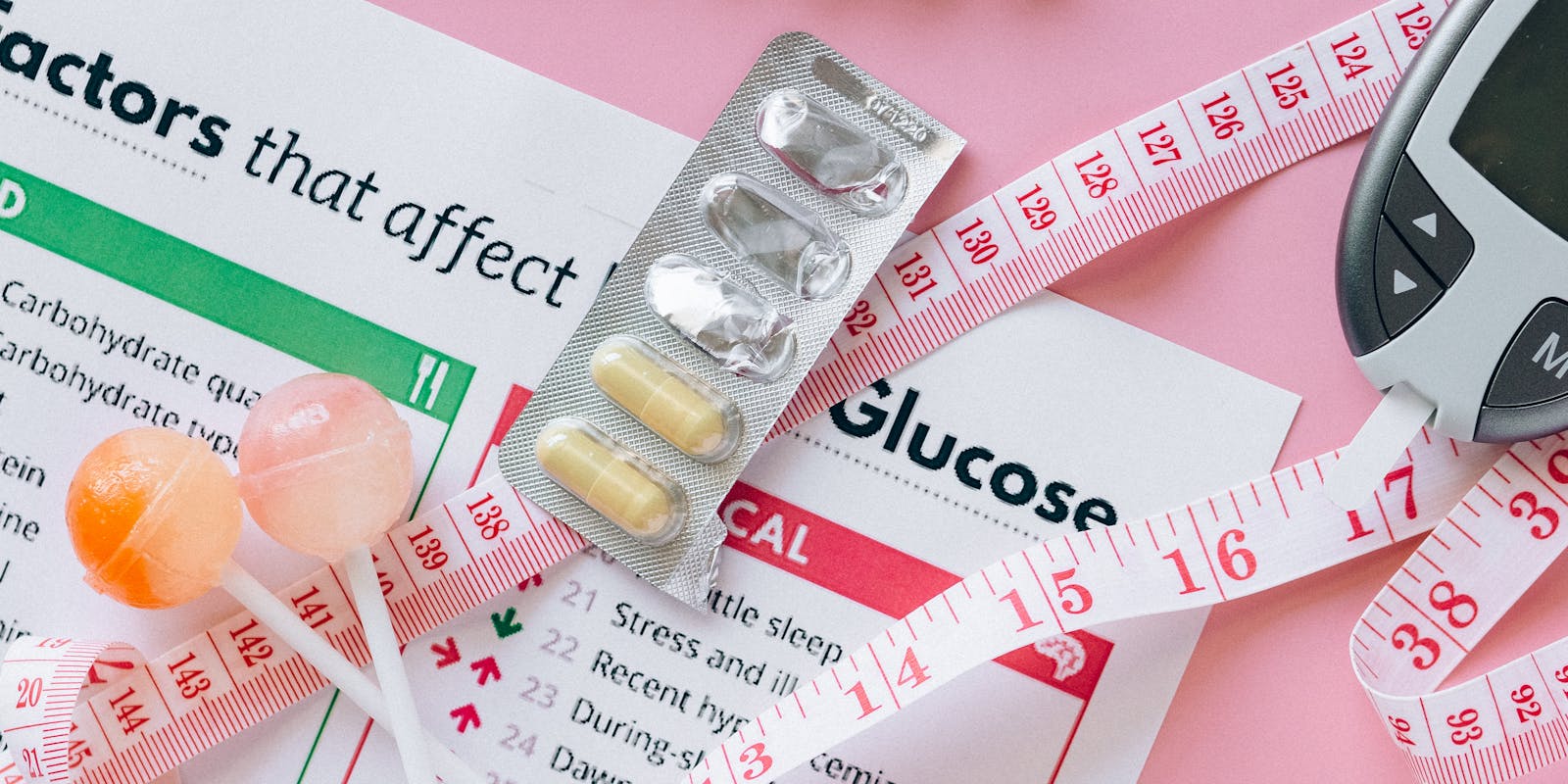
Maintaining muscle mass is crucial for overall health and longevity, but many lifestyle habits can impact muscle mass negatively, leading to muscle loss over time. By being mindful of these habits and making positive changes, you can effectively prevent muscle loss and preserve your strength and mobility. Here are key factors that affect muscle mass and what you can do to combat them:
1. **Nutrition**: A diet lacking in sufficient protein and essential nutrients can contribute to muscle loss. Ensure you're consuming an adequate amount of protein, complex carbohydrates, healthy fats, vitamins, and minerals to support muscle growth and repair.
2. **Physical Activity**: Leading a sedentary lifestyle can accelerate muscle loss. Regular exercise, including strength training and cardio, is essential for maintaining muscle mass and strength. Aim for a combination of resistance training and aerobic exercise to preserve muscle mass.
3. **Sleep**: Inadequate sleep can negatively impact muscle recovery and growth. Aim for 7-9 hours of quality sleep each night to allow your muscles to repair and regenerate effectively.
4. **Hydration**: Dehydration can impair muscle function and performance. Stay hydrated throughout the day to support muscle health and function.
5. **Stress Management**: Chronic stress can lead to muscle loss due to increased levels of cortisol, a stress hormone. Practice stress-reducing techniques such as meditation, yoga, or deep breathing to protect your muscles from the harmful effects of stress.
6. **Smoking and Alcohol Consumption**: Both smoking and excessive alcohol intake can accelerate muscle loss and impair muscle recovery. Limit or avoid these habits to preserve muscle mass.
7. **Medication**: Certain medications can have side effects that impact muscle health. Consult with your healthcare provider about any medications you're taking that may affect muscle mass and explore alternative options if necessary.
8. **Hormonal Imbalances**: Hormonal changes, such as a decline in testosterone or estrogen levels, can contribute to muscle loss. Discuss hormone replacement therapy options with your doctor if hormonal imbalances are affecting your muscle mass.
9. **Chronic Illness**: Underlying health conditions like diabetes, cancer, or autoimmune diseases can lead to muscle wasting. Managing these conditions effectively through proper treatment and lifestyle modifications can help prevent muscle loss.
10. **Aging**: Muscle loss naturally occurs with age, a condition known as sarcopenia. However, you can slow down this process through regular exercise, proper nutrition, and lifestyle modifications that support muscle health as you age.
By being mindful of these lifestyle habits that affect muscle mass and taking proactive steps to address them, you can effectively prevent muscle loss and maintain your strength and vitality throughout life. Prioritize a holistic approach to muscle health that includes proper nutrition, regular exercise, adequate rest, and stress management to support your overall well-being
1. **Nutrition**: A diet lacking in sufficient protein and essential nutrients can contribute to muscle loss. Ensure you're consuming an adequate amount of protein, complex carbohydrates, healthy fats, vitamins, and minerals to support muscle growth and repair.
2. **Physical Activity**: Leading a sedentary lifestyle can accelerate muscle loss. Regular exercise, including strength training and cardio, is essential for maintaining muscle mass and strength. Aim for a combination of resistance training and aerobic exercise to preserve muscle mass.
3. **Sleep**: Inadequate sleep can negatively impact muscle recovery and growth. Aim for 7-9 hours of quality sleep each night to allow your muscles to repair and regenerate effectively.
4. **Hydration**: Dehydration can impair muscle function and performance. Stay hydrated throughout the day to support muscle health and function.
5. **Stress Management**: Chronic stress can lead to muscle loss due to increased levels of cortisol, a stress hormone. Practice stress-reducing techniques such as meditation, yoga, or deep breathing to protect your muscles from the harmful effects of stress.
6. **Smoking and Alcohol Consumption**: Both smoking and excessive alcohol intake can accelerate muscle loss and impair muscle recovery. Limit or avoid these habits to preserve muscle mass.
7. **Medication**: Certain medications can have side effects that impact muscle health. Consult with your healthcare provider about any medications you're taking that may affect muscle mass and explore alternative options if necessary.
8. **Hormonal Imbalances**: Hormonal changes, such as a decline in testosterone or estrogen levels, can contribute to muscle loss. Discuss hormone replacement therapy options with your doctor if hormonal imbalances are affecting your muscle mass.
9. **Chronic Illness**: Underlying health conditions like diabetes, cancer, or autoimmune diseases can lead to muscle wasting. Managing these conditions effectively through proper treatment and lifestyle modifications can help prevent muscle loss.
10. **Aging**: Muscle loss naturally occurs with age, a condition known as sarcopenia. However, you can slow down this process through regular exercise, proper nutrition, and lifestyle modifications that support muscle health as you age.
By being mindful of these lifestyle habits that affect muscle mass and taking proactive steps to address them, you can effectively prevent muscle loss and maintain your strength and vitality throughout life. Prioritize a holistic approach to muscle health that includes proper nutrition, regular exercise, adequate rest, and stress management to support your overall well-being
Strategies for Preserving Muscle Mass as You Get Older
As we age, our bodies naturally undergo changes that can lead to muscle loss if not managed effectively. Preserving muscle mass becomes increasingly important in maintaining overall health and functionality as we get older. Here are 10 effective strategies to prevent muscle loss and support healthy aging:
1. **Resistance Training**: Engaging in regular strength training exercises is crucial for preserving muscle mass. Focus on compound movements that target multiple muscle groups to maintain strength and prevent muscle atrophy.
2. **Protein-Rich Diet**: Adequate protein intake is essential for muscle maintenance and repair. Include lean sources of protein such as chicken, fish, tofu, and legumes in your meals to support muscle health.
3. **Stay Active**: Incorporate physical activity into your daily routine to prevent muscle loss. Activities like walking, swimming, or yoga can help maintain muscle mass and improve overall fitness levels.
4. **Get Sufficient Rest**: Quality sleep is vital for muscle recovery and growth. Aim for 7-9 hours of sleep per night to support muscle health and overall well-being.
5. **Hydration**: Proper hydration is key for muscle function and overall health. Drink an adequate amount of water throughout the day to support muscle hydration and function.
6. **Balanced Nutrition**: Ensure your diet is rich in essential nutrients such as vitamins, minerals, and antioxidants to support muscle health and prevent age-related muscle loss.
7. **Manage Stress**: Chronic stress can contribute to muscle loss and overall health decline. Practice stress-reducing activities such as meditation, deep breathing exercises, or hobbies to support muscle preservation.
8. **Consult a Healthcare Professional**: If you have concerns about muscle loss or maintaining muscle mass as you age, consult a healthcare provider or a nutritionist for personalized advice and guidance.
9. **Monitor Progress**: Keep track of your muscle mass and strength levels over time to assess changes and adjust your lifestyle habits as needed to prevent further muscle loss.
10. **Lifestyle Modifications**: Make small, sustainable changes to your daily routine such as taking the stairs instead of the elevator, doing bodyweight exercises at home, or joining a fitness class to stay active and preserve muscle mass.
By incorporating these strategies into your lifestyle, you can effectively prevent muscle loss as you age and support optimal health and well-being
1. **Resistance Training**: Engaging in regular strength training exercises is crucial for preserving muscle mass. Focus on compound movements that target multiple muscle groups to maintain strength and prevent muscle atrophy.
2. **Protein-Rich Diet**: Adequate protein intake is essential for muscle maintenance and repair. Include lean sources of protein such as chicken, fish, tofu, and legumes in your meals to support muscle health.
3. **Stay Active**: Incorporate physical activity into your daily routine to prevent muscle loss. Activities like walking, swimming, or yoga can help maintain muscle mass and improve overall fitness levels.
4. **Get Sufficient Rest**: Quality sleep is vital for muscle recovery and growth. Aim for 7-9 hours of sleep per night to support muscle health and overall well-being.
5. **Hydration**: Proper hydration is key for muscle function and overall health. Drink an adequate amount of water throughout the day to support muscle hydration and function.
6. **Balanced Nutrition**: Ensure your diet is rich in essential nutrients such as vitamins, minerals, and antioxidants to support muscle health and prevent age-related muscle loss.
7. **Manage Stress**: Chronic stress can contribute to muscle loss and overall health decline. Practice stress-reducing activities such as meditation, deep breathing exercises, or hobbies to support muscle preservation.
8. **Consult a Healthcare Professional**: If you have concerns about muscle loss or maintaining muscle mass as you age, consult a healthcare provider or a nutritionist for personalized advice and guidance.
9. **Monitor Progress**: Keep track of your muscle mass and strength levels over time to assess changes and adjust your lifestyle habits as needed to prevent further muscle loss.
10. **Lifestyle Modifications**: Make small, sustainable changes to your daily routine such as taking the stairs instead of the elevator, doing bodyweight exercises at home, or joining a fitness class to stay active and preserve muscle mass.
By incorporating these strategies into your lifestyle, you can effectively prevent muscle loss as you age and support optimal health and well-being
Conclusion
Conclusion:
In conclusion, preventing muscle loss is crucial for maintaining overall health and functionality, especially as we age. By implementing the 10 effective strategies discussed in this blog post, including engaging in regular resistance training, consuming adequate protein, staying hydrated, prioritizing quality sleep, managing stress levels, and optimizing hormone levels, you can take proactive steps to preserve and potentially even increase muscle mass.
Understanding the mechanisms behind muscle loss and adopting healthy lifestyle habits can significantly impact your muscle health and vitality for years to come. Whether you're a fitness enthusiast looking to enhance your gains or someone concerned about age-related muscle decline, it's never too late to prioritize muscle preservation.
Remember, consistency and dedication are key when it comes to preventing muscle loss. By incorporating these strategies into your daily routine, you can maintain a strong, healthy body and enjoy an active and vibrant lifestyle. Start implementing these tips today and reap the benefits of improved muscle health and overall well-being
In conclusion, preventing muscle loss is crucial for maintaining overall health and functionality, especially as we age. By implementing the 10 effective strategies discussed in this blog post, including engaging in regular resistance training, consuming adequate protein, staying hydrated, prioritizing quality sleep, managing stress levels, and optimizing hormone levels, you can take proactive steps to preserve and potentially even increase muscle mass.
Understanding the mechanisms behind muscle loss and adopting healthy lifestyle habits can significantly impact your muscle health and vitality for years to come. Whether you're a fitness enthusiast looking to enhance your gains or someone concerned about age-related muscle decline, it's never too late to prioritize muscle preservation.
Remember, consistency and dedication are key when it comes to preventing muscle loss. By incorporating these strategies into your daily routine, you can maintain a strong, healthy body and enjoy an active and vibrant lifestyle. Start implementing these tips today and reap the benefits of improved muscle health and overall well-being